The International Year of Astronomy 2009 (IYA2009) celebrates the first astronomical use of the telescope by Galileo ”€ a momentous event that initiated 400 years of astronomical discoveries and triggered a scientific revolution which profoundly affected our worldview. Now telescopes on the ground and in space explore the Universe, 24 hours a day, across all wavelengths of light. The President of the International Astronomical Union (IAU) Catherine Cesarsky says: “The International Year of Astronomy 2009 gives all nations a chance to participate in this ongoing exciting scientific and technological revolution.”
The IYA2009 will highlight global cooperation for peaceful purposes " the search for our cosmic origin and our common heritage which connect all citizens of planet Earth. For several millennia, astronomers have worked together across all boundaries including geographic, gender, age, culture and race, in line with the principles of the UN Charter. In that sense, astronomy is a classic example of how science can contribute towards furthering international cooperation.
At the IAU General Assembly on 23 July 2003 in Sydney (Australia), the IAU unanimously approved a resolution in favour of the proclamation of 2009 as the International Year of Astronomy. Based on Italy’s initiative, UNESCO’s General Conference at its 33rd session recommended that the UN General Assembly adopt a resolution to declare 2009 the International Year of Astronomy. On 20 December 2007 the International Year of Astronomy 2009 was proclaimed by the United Nations 62nd General Assembly. The UN has designated the United Nations Educational, Scientific and Cultural Organization (UNESCO) as the lead agency for the IYA2009. The IAU will function as the facilitating body for IYA2009.
The IYA2009 is, first and foremost, an activity for the citizens of planet Earth. It aims to convey the excitement of personal discovery, the pleasure of sharing fundamental knowledge about the Universe and our place in it, and the merits of the scientific method. Astronomy is an invaluable source of inspiration for humankind throughout all nations. So far 99 nations and 14 organisations have signed up to participate in the IYA2009 " an unprecedented network of committed communicators and educators in astronomy.
For more information on the International Year of Astronomy 2009 please visit the website at http://www.astronomy2009.org
For more information, please contact:
Catherine Cesarsky
IAU President, Chair of the IAU Executive Committee IYA2009 Working Group
Tel: +49-89-32-00-62-27
Cell: +49-171-67-47-165
E-mail: ccesarsk@eso.org
Karel A. van der Hucht
General Secretary
International Astronomical Union
98bis bd Arago, F-75014 Paris, France
home institute:
SRON Netherlands Institute for Space Research
Sorbonnelaan 2, NL-3584CA UTRECHT, the Netherlands
Tel: +31-30-2535729/5600
Cell: +31-6-53-960237.
email: K.A.van.der.Hucht@SRON.nl
IYA 2009 Secretariat
Pedro Russo
IAU & ESA/Hubble, Garching, Germany
Tel: +49-89-320-06-195
Cell: +49-176-611-00-211
E-mail: prusso@eso.org
UNESCO Contact
Yolanda Berenguer
Space Education Programme Coordinator
UNESCO HQ, Paris
Tel: +33-1-45684171
E-mail: y.berenguer@unesco.org
IAU Press Officer/Secretary of IAU IYA2009 Executive Committee Working Group
Lars Lindberg Christensen
ESA/Hubble & IAU, Garching, Germany
Tel: +49-89-32-00-63-06
Cellular: +49-173-3872-621
E-mail: lars@eso.org
Links:
The International Year of Astronomy 2009 web site:
http://www.astronomy2009.org
The International Astronomical Union:
http://www.iau.org

Ultimi Articoli
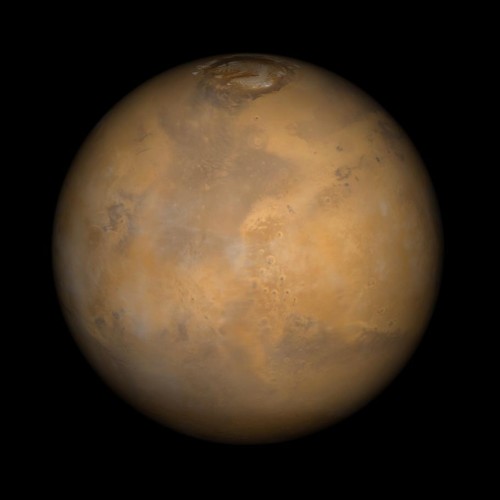
Cosa segna l’orologio su Marte — i fisici del NIST danno una misura precisa
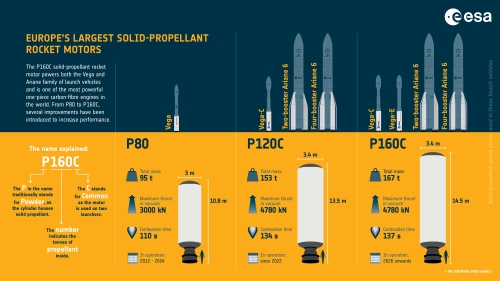
Motore P160C acceso con successo: nuovi orizzonti per Ariane6 e Vega
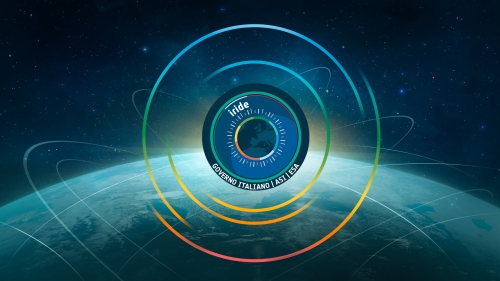
Lanciato il satellite Pathfinder Hawk di IRIDE

Sentinel-2C: Il Nuovo Guardiano della Terra Pronto al Decollo in Guyana Francese
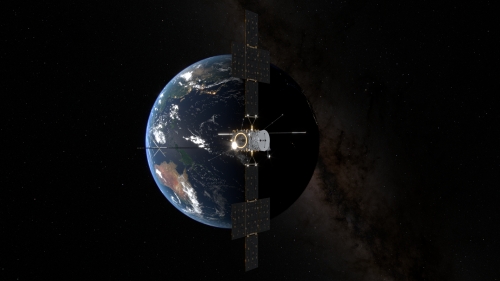
La missione Juice: una danza cosmica verso Giove grazie alla gravità della Terra e della Luna
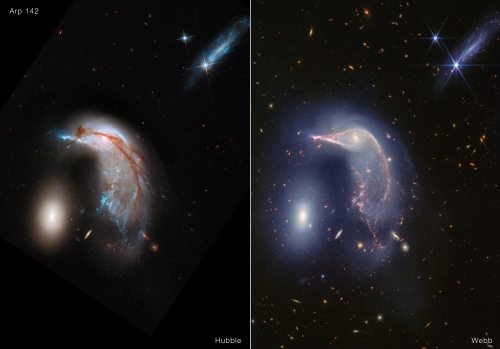
La Danza Cosmica di Penguin e Egg: Un Viaggio nel Tempo con il Telescopio Webb
Eclissi Solare Totale del 8 Aprile 2024: Un Fenomeno Celeste da Non Perdere

Benvenuta Primavera: Scopriamo Quando Inizia e Quando Arriva l'Estate nel 2024
Video: Esplosione Solare: Macchia Gigante AR3576 - Impatti su Tecnologia e Salute da Monitorare